Blog

  • How Sewa Began in Sikhism

    How Sewa Began in Sikhism

    Langar, Dasvandh and the Spirit of Giving

    Sewa means selfless service — helping others with humility, equality and compassion, without expecting anything in return.

    Its roots go back to the teachings of Guru Nanak Dev Ji, who encouraged people to live truthfully, work honestly and share with others. In Sikh tradition, service was never separate from faith. It was part of daily life.

    The roots of sewa

    Guru Nanak Dev Ji taught that every person has equal dignity, regardless of caste, wealth, gender, background or status.

    His teachings are often connected with three principles:

    • Naam Japo — remember the Divine
    • Kirat Karo — earn honestly
    • Vand Chhako — share with others

    Together, these values shaped sewa as a way of living with honesty, care and responsibility.

    Langar: equality through food

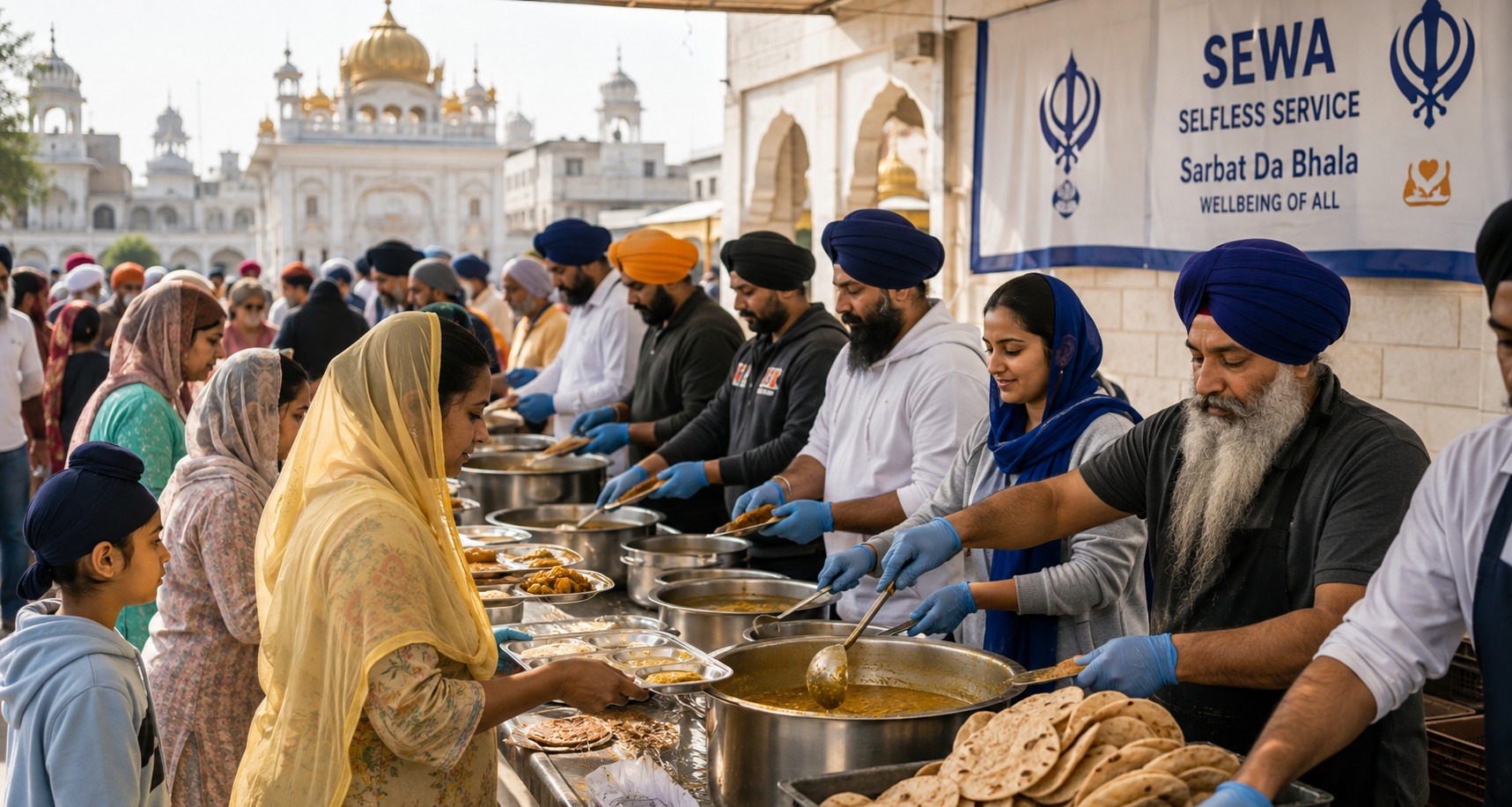
    One of the clearest examples of sewa is Langar, the free community kitchen.

    In Langar, everyone is welcome. People sit together, eat together and are served without discrimination. It is more than a meal — it is a message of dignity, equality and belonging.

    Dasvandh: giving back

    Another important Sikh practice is Dasvandh, which means setting aside a portion of one’s earnings for community welfare and service.

    Through Dasvandh, Sikh communities support Gurdwaras, Langar, education, welfare, disaster relief, youth programs and many other services. It is not only about money; it is also about giving time, skills, care and effort.

    Sewa for all

    At the heart of Sikh service is Sarbat Da Bhala — the wellbeing of all.

    This reminds us that sewa is not limited to one group or community. It is for humanity. That is why Sikh organisations often serve beyond religious and cultural boundaries through free meals, food relief, education and welfare support.

    SendSewa and the future of giving

    SendSewa is inspired by these Sikh values. By connecting Sikh charities, Gurdwaras, donors, volunteers and community organisations, SendSewa helps make sewa easier to discover, support and share.

    Through Langar, Dasvandh and everyday acts of service, Sikh communities show that giving is about building a world where everyone is treated with dignity, care and belonging.

    Sewa begins with one simple choice: to care.
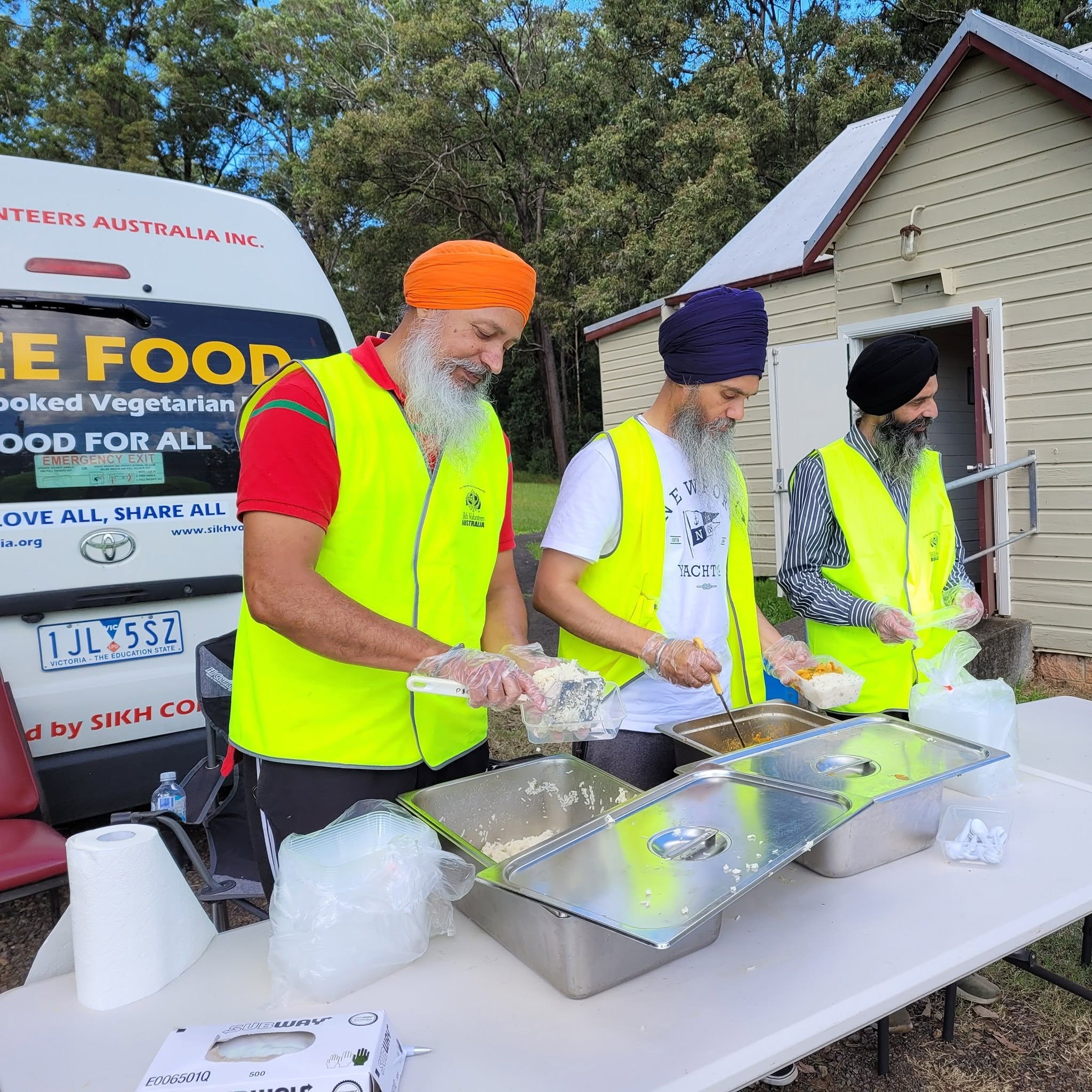
  • Sikh Volunteers Australia: A Free Meal, A Helping Hand, A Reminder That Someone Cares

    Sikh Volunteers Australia: A Free Meal, A Helping Hand, A Reminder That Someone Cares

    Sikh Volunteers Australia: A Free Meal, A Helping Hand, A Reminder That Someone Cares

    When floods, fires, hardship or loneliness affect a community, support often begins with something simple: a warm meal.

    For Sikh Volunteers Australia, that meal is more than food. It is dignity, comfort and hope served with care.

    Based in Langwarrin, Victoria, Sikh Volunteers Australia is a volunteer-run charity providing free nutritious meals and essential items to people in need. Through its food vans, takeaway meal services and community deliveries, the organisation supports people facing hardship across Victoria and beyond.

    Their work is guided by Sikh values of compassion, equality and selfless service — known as sewa.

    Serving Where Support Is Needed Most

    Sikh Volunteers Australia supports elders, single parents, people with disabilities, international students, people experiencing homelessness and families going through difficult times.

    Their free food services reach communities including Frankston, Hastings, Rosebud, Noble Park, Cranbourne, Pakenham and surrounding council areas.

    For someone facing hardship, a meal can mean more than relief from hunger. It can mean being seen. It can mean being remembered. It can mean knowing that the community has not forgotten them. 💛

    Sewa During Crisis

    Sikh Volunteers Australia has also stepped forward during some of Australia’s most difficult moments.

    During the Central Victoria floods, volunteers served communities continuously for 22 days, cooking, transporting and serving 15,000 meals while travelling long distances to reach people in need.

    During the COVID-19 crisis, the organisation delivered 271,000 free meals between March 2020 and October 2021, supporting people through isolation, uncertainty and hardship.

    The team has also supported communities affected by floods, bushfires and emergencies, including onsite support in Taree during the NSW floods.

    This is sewa in motion — practical, organised and open to all.

    Powered by Volunteers

    Behind every meal is a team of people choosing to serve. 🙏

    Some cook. Some pack. Some drive. Some deliver. Some organise donations. Some give their time quietly in the background.

    Together, they show the meaning of Sarbat Da Bhala — the wellbeing of all.

    Sikh Volunteers Australia is not only feeding people. It is building trust, connection and community care.

    Why This Matters to SendSewa

    SendSewa exists to help more people discover and support organisations doing meaningful community work.

    By connecting Sikh charities, Gurdwaras, donors and volunteers in one trusted space, SendSewa helps community service become easier to find, support and share.

    Sikh Volunteers Australia is a powerful example of what happens when sewa becomes action.

    A meal can restore hope.
    A volunteer can inspire change.
    A donation can help the next person in need.

    Support Sewa in Action

    Explore Sikh Volunteers Australia on SendSewa and learn how you can support their work.

    Volunteer your time. Donate to a cause. Share their story. Help keep the spirit of sewa moving. 🌱

    Image Credit: Sikh Volunteers Australia official Facebook page.

  • Sikh Sewa: Selfless Service, Langar and Community Care

    Sikh Sewa: Selfless Service, Langar and Community Care

    Sewa is love made visible through action
    In the Sikh tradition, sewa means selfless service. It is the practice of helping others with humility, compassion, and equality, without expecting anything in return.

    Sikh communities across Australia continue to show the power of sewa — selfless service rooted in humility, compassion and equality.

    From Gurdwara kitchens to food relief programs, volunteers are turning care into action by serving meals, supporting families, helping elders and responding during difficult times.

    Sewa is not only an activity. It is a way of living. It teaches us to recognize dignity in every person and to serve humanity with an open heart.
    “Sewa reminds us that service is not charity from above. It is standing beside one another with care and dignity.”

    The meaning of Sikh sewa
    Sikh sewa can happen anywhere: in a Gurdwara kitchen, a school, a hospital, a shelter, a food bank, a community hall or a family home. The place may change, but the spirit remains the same.
    It is service without discrimination. It is service that welcomes everyone, regardless of background, faith, income, age, gender or circumstance.

    Langar: a living example of equality

    One of the most powerful examples of sewa is langar, the community kitchen where free meals are prepared and shared with all.
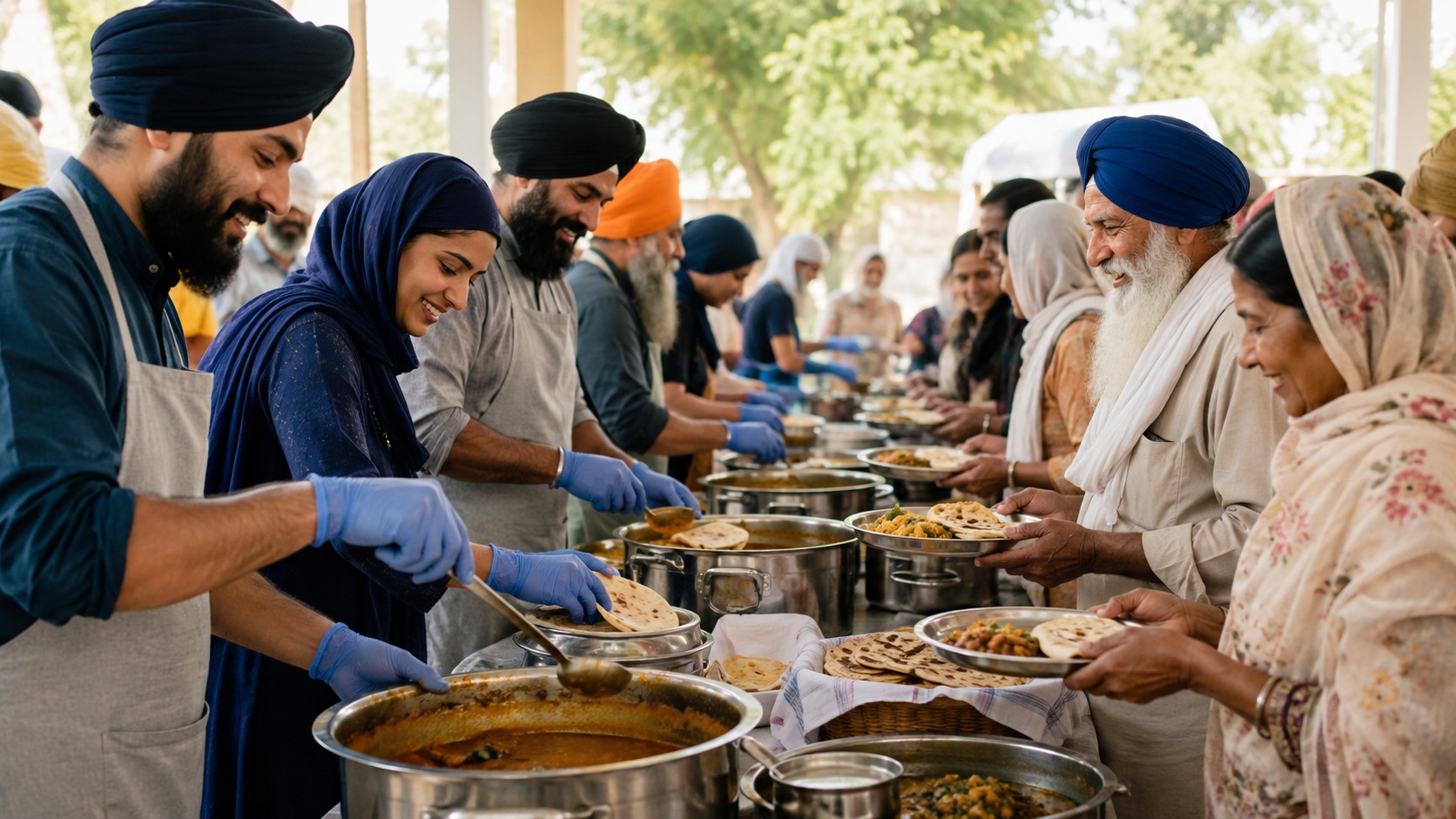
    Langar is more than food. It is a living message of equality, inclusion and human connection. Everyone is welcome. Everyone sits together. Everyone shares the same meal.
    In every roti rolled, every dal stirred, every plate served and every floor cleaned, volunteers carry forward a tradition that has nourished communities for generations.

    Langar reflects equality, belonging and shared humanity by welcoming everyone to sit and eat together.

    Sewa in action today

    Across Australia and around the world, Sikh organizations, Gurdwaras and community groups continue to show sewa in many practical ways.
    Langar and food relief: preparing meals, supporting food vans and distributing groceries.
    Disaster support: helping communities during floods, bushfires, storms and emergencies.
    Youth and education: running language classes, camps, mentoring and cultural learning programs.
    Elder care: supporting seniors through meals, visits, transport and companionship.
    Family support: helping families during hardship, illness, settlement or financial stress.
    Community wellbeing: organizing health awareness, women’s wellbeing, interfaith and cultural programs.

    Sarbat Da Bhala: the wellbeing of all

    At the heart of Sikh sewa is the idea of Sarbat Da Bhala, the wellbeing of all. This value reminds us that service should not be limited to our own community. It should support anyone in need.
    This is why Sikh organizations often serve beyond religious boundaries. Free meals, disaster relief, welfare support, education programs and community events are open expressions of care for the wider society.

    Sewa connects faith, compassion and community care through practical support for people in need.

    How SendSewa supports Sikh sewa
    SendSewa has been created to support Sikh charities, Gurdwaras, community organizations, donors and volunteers in one trusted digital space.
    Through SendSewa, organizations can share their work, raise support and connect with people who want to help. Donors can discover meaningful causes and contribute with confidence. Volunteers can learn where their time and skills can make a real difference.
    The goal is not only to raise funds. The goal is to strengthen the whole ecosystem of sewa.
    Carrying sewa forward

    Sewa begins with humility, but its impact can be immense. One volunteer inspires another. One meal restores hope. One youth program shapes a future leader. One elder visit reduces isolation. One campaign helps a family breathe again.
    Through sewa, compassion becomes action. Through action, communities become stronger.

    Begin your sewa today
    Volunteer your time. Donate to a cause. Support a campaign. Share your sewa story. Help build a community guided by compassion and Sarbat Da Bhala.


  • Volunteerism in Australia: Building Stronger Communities Through Service

    Volunteerism in Australia: Building Stronger Communities Through Service

    A community grows stronger when people show up for one another
    Volunteerism begins with a simple but powerful idea: we all have something to give. It may be time, skills, energy, care, experience or simply the willingness to help someone who is going through a difficult moment.
    Across Australia, volunteers support communities in many ways. They help with food relief, elder care, youth mentoring, family support, disaster response, cultural events, education programs and local charities. Some volunteer for a few hours a month. Others serve every week. Every contribution matters.

    “Volunteerism is not only about giving time. It is about giving care, dignity and hope.”

    What volunteerism means
    Volunteerism is the act of helping others without expecting anything in return. It can be simple, practical and deeply human. A volunteer may pack food boxes, serve meals, drive someone to an appointment, help at a community event, mentor a young person, check in on an elder or support a family in need.
    These actions may look small from the outside, but they can make a real difference to the person receiving support.

    How volunteers support communities
    Volunteers help turn compassion into action. Their work often supports people at moments when they need community the most.
    Food relief: preparing meals, packing food parcels and supporting families experiencing hardship.
    Elder care: visiting seniors, making check-in calls and helping reduce loneliness.
    Youth programs: mentoring, tutoring and creating positive spaces for young people.
    Family support: helping families during illness, financial stress, relocation or bereavement.
    Disaster response: supporting communities during floods, fires, storms and other emergencies.
    Community events: helping organize cultural, educational, fundraising and charity activities.

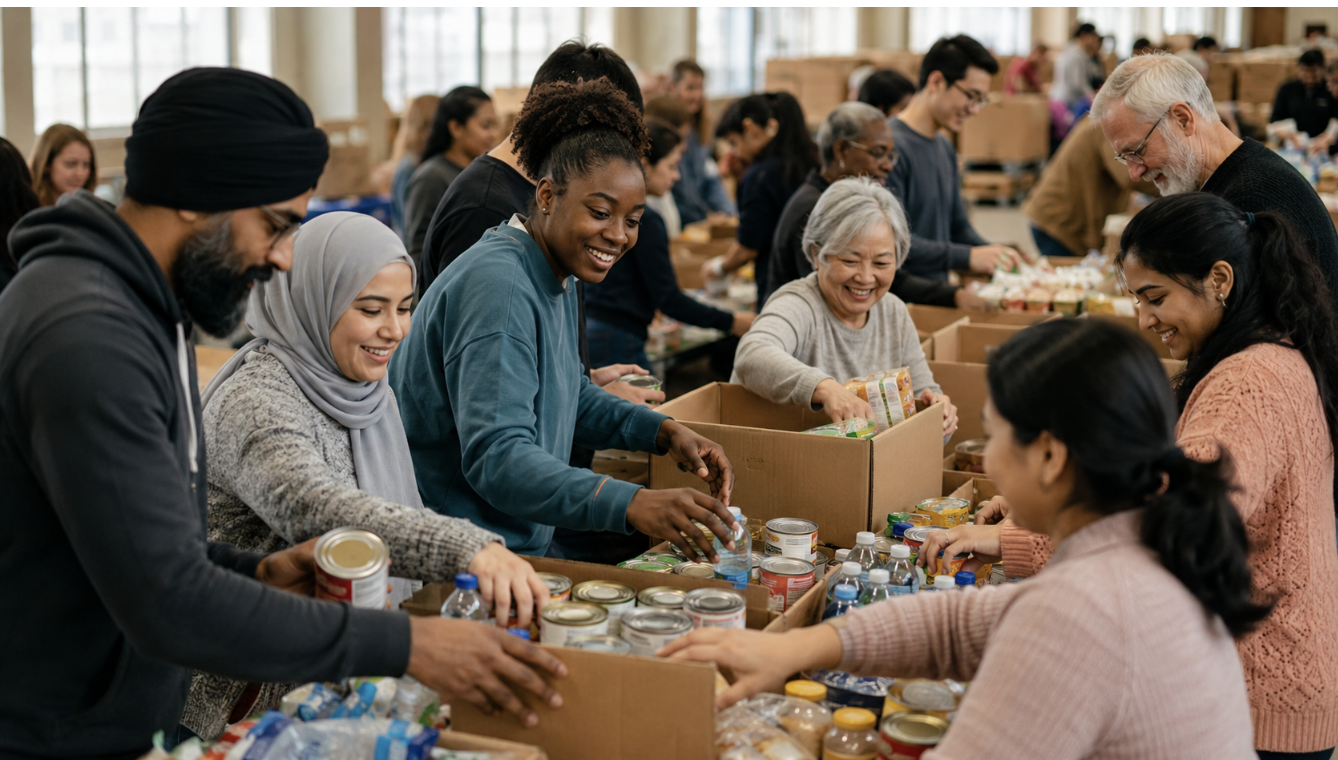
    Community volunteers often work together to organize supplies, support events and respond to local needs.

    Why volunteers matter
    Volunteers are the backbone of many community programs. They bring local knowledge, cultural understanding, trust and genuine care. When volunteers serve together, they build relationships that make communities more connected and resilient.
    Volunteerism also changes the volunteer. It builds empathy, confidence, teamwork, leadership and a stronger sense of purpose. For young people, volunteering can become a meaningful way to learn responsibility and connect with the wider community. For families and elders, it creates opportunities to share wisdom, culture and care across generations.

    Volunteerism in Australia: Building Stronger Communities Through Service
    Volunteerism in Australia: Building Stronger Communities Through Service

    How SendSewa supports volunteerism
    Many people want to help but do not always know where to begin. At the same time, charities and community organizations often need greater visibility, more volunteers, donors, and campaign support.
    SendSewa helps bring these groups together into a single trusted digital space. It gives organizations a place to share their work, and it helps supporters discover causes where their time, donations and skills can make a real difference.
    In this way, SendSewa supports the full circle of community service: people who need help, organizations doing the work, donors who want to give and volunteers who want to serve.

    Small acts can create a large impact
    A single act of kindness can change someone’s day. A meal can reduce stress. A phone call can reduce loneliness. A youth program can build confidence. A community campaign can help a family move through hardship with dignity.
    When many people take small steps together, the impact becomes powerful.

    Start with one act of service
    Volunteer your time. Support a campaign. Share a cause. Help build a community where every person feels valued and included.